How to Spot Counterfeit ICs: What We See in Shenzhen (2026–2027)
How to Spot Counterfeit ICs: What We See in Shenzhen (2026–2027)
Here's a number that should make every engineer and buyer pause: 36% of counterfeit ICs reported in 2025 were active, in-production parts — chips you can buy from authorized distribution right now. The old rule was "only obsolete parts get faked." That rule is dead.
From our testing lab in Shenzhen, we process thousands of ICs every month. In 2026–2027, we're catching counterfeits that pass basic multimeter checks, that look right under a 10× loupe, that even pass room-temperature functional tests. They only fail under thermal stress or decapsulation. The counterfeiters are getting better — and the economics are on their side. Tariffs pushing duties toward 60% on some imports mean every dollar squeezed from the BOM is a dollar of margin for a counterfeiter.
This guide covers what actually works for spotting fakes in 2026–2027. No theory. Methods we use daily.
The Five Types of Counterfeit ICs You'll Encounter
Not all fakes are created equal. Knowing which type you're dealing with determines which detection method works:
| Type | What It Is | How Common | Easiest Detection |
|---|---|---|---|
| Recycled / Reclaimed | Chips pulled from scrap boards, leads re-tinned, body cleaned, relabeled as new. Most common type globally. | ~50% of fakes | X-ray (bond wire fatigue), SRAM data retention test |
| Blacktopped / Remarked | Original surface sanded down, recoated black, reprinted with higher-grade or faster-speed part number. | ~25% | Acetone wipe, surface texture analysis, scratch test |
| Subgrade / Out-of-Spec | Failed manufacturer QA but diverted to gray market. Passes room-temp tests, fails under thermal stress or at rated speed. | ~15% | Thermal cycling + parametric re-test |
| Cloned / Empty Package | Fake package with no die, wrong die, or relabeled generic die inside. The zeptobars NE555 example: a G1083 generic timer die in a package marked "TI NE555." | ~10% | Decapsulation, X-ray (empty package obvious) |
In Shenzhen, we see all four. Recycled and blacktopped parts dominate because they're the cheapest to produce and the hardest to catch without equipment. But subgrade parts are the dangerous ones — they work on the bench, pass production test, and fail in the field six months later.
Tier 1: Visual Inspection (Catches ~60%, Costs Nothing)
Start here. It's free and it catches the lazy counterfeits. But know its limits: about 40% of professionally produced fakes pass visual inspection. Here's what to check, in order of importance:
Surface Texture
Genuine ICs have a consistent matte/textured surface from the molding process. If the top is smooth and shiny but the bottom is matte, the top has been sanded and recoated (blacktopping). A 2025 IEEE paper demonstrated automated surface texture analysis with 95.2% accuracy for detecting blacktopped parts — but your fingertip and a 20× microscope will catch most of them. Run your fingernail across the surface. If it feels different from a known-genuine part, investigate.
Markings
Laser marking is the standard for genuine parts from TI, ST, ADI, and most major manufacturers. Look for: consistent font weight across all characters, sharp edges on letters (no bleeding), correct logo proportions, and plausible date codes. Red flags: ink marking on a part that should be laser-marked, week 53 in the date code, date codes that are newer than the part's discontinuation date, or inconsistent fonts between parts in the same tube.
Pins and Leads
Recycled parts show their history in the leads. Look for: uneven tinning (thicker on one side = re-dipped), residual solder at the base of pins, scratches on the lead surface from mechanical straightening, and oxidation that doesn't match the "new" body. A genuine new part has uniform lead finish and zero signs of prior soldering.
Package Dimensions
Sanded packages are measurably thinner. If you have a known-genuine part, compare thickness with calipers. A 0.1–0.2 mm difference on a SOIC-8 package is significant.
Tier 2: Electrical Testing (Catches Subgrade Parts, Requires Equipment)
Visual passes don't mean the part is good. The 2025 Global ETS report found a 6.17% failure rate across 10,000+ tested components — and another 24% of suspect parts passed electrical but failed visual, solvent, or X-ray checks. Electrical testing catches what visual misses: subgrade parts, wrong die, and out-of-spec performance.
The Supply Current Quick-Test
This is the fastest non-visual test and it catches a surprising number of fakes. Apply nominal VCC with all I/Os floating. Measure ICC. Compare to the datasheet typical value. A bipolar 555 drawing 80 μA instead of 5 mA? That's a CMOS part relabeled as bipolar. An LM317 drawing 200 μA? Not a real LM317 — the genuine part draws 5–10 mA minimum.
For common ICs, we maintain a quick-reference table of expected supply currents. It takes 30 seconds per part and catches CMOS-relabeled-as-bipolar, wrong-die, and empty-package fakes in one measurement.
Parametric Testing Under Thermal Stress
This is the 2026 gold standard for catching sophisticated fakes. Test the part at room temperature. Then cycle it to 85°C (or the datasheet max operating temp) and re-test. Subgrade parts drift. Genuine parts from TI, ADI, and ST hold their specs across the full temperature range. Counterfeiters cannot replicate the thermal behavior of genuine silicon — the doping profiles, the process control, the decades of manufacturing refinement. A part that measures 5.00V ±1% at 25°C and 4.82V at 85°C is not a genuine TI LM317, regardless of what the marking says.
JEDEC ID / Manufacturer ID Reading
For memory, MCUs, and programmable logic: read the internal device ID. This cannot be counterfeited without access to the original mask set. A remarked Micron DRAM will still return its original manufacturer ID. If the ID is 0x00, 0xFF, or doesn't match the marking — reject the lot. Use a TL866, SuperPro, or Xeltek programmer. This is one of the highest-confidence non-destructive tests available.
Tier 3: X-Ray and Decapsulation (Definitive, Destructive on Samples)
When the lot is large enough to justify the cost, or when you're qualifying a new supplier, X-ray and decap are the final word.
X-ray (non-destructive): reveals die size, die count, bonding wire count and geometry, leadframe structure. An empty package is immediately obvious. A die that's half the expected area is a relabeled different part. Bond wires that look thinner or fewer than expected suggest a smaller, cheaper die. X-ray 100% of a high-value lot if the supplier is new to you.
Decapsulation (destructive, sample 1–2 per lot): chemical removal of the package to expose the silicon. Verify die markings (manufacturer logo, part number, mask revision) against known-genuine references. Compare die layout and dimensions. The zeptobars database is an invaluable public reference for this. A genuine TI NE555D die measures 1034×762 μm with TI markings. A fake measures 747×762 μm with no markings and denser routing — a completely different chip.
What We See in Shenzhen: T1 Data From Our Test Lab (2026–2027)
This section is from our own incoming inspection data. Not industry reports. Not surveys. What we actually measure.
By IC Category
| Category | Reject Rate (Our Testing) | Most Common Failure Mode |
|---|---|---|
| MOSFETs (SOT-23, TO-220) | ~4–6% from uncertified sources | RDS(on) 2–5× above spec. Relabeled generic. |
| 555 Timer ICs | ~8–12% from uncertified sources | CMOS relabeled as bipolar (supply current test catches it). |
| LM317 / Adjustable Regulators | ~10–15% from uncertified sources | Folds back above 100–200 mA. "100 mA chips in 1.5A bodies." |
| Op-Amps (LM358, LM324, NE5532) | ~3–5% from uncertified sources | Offset voltage 3–10× spec. Wrong die. |
| SPI Flash Memory | ~5–8% from uncertified sources | Fails at rated speed. Recycled with degraded charge pumps. |
| MCUs (STM32, GD32, ATmega) | ~2–3% from uncertified sources | Relabeled lower-spec variant. ID register check catches it. |
Two patterns jump out. First, the simpler the IC, the higher the counterfeit rate — a 555 timer is easier to fake than an STM32 because there's less to get wrong. Second, parts that sell in high volume (LM317, NE555, 2N3904, AO3400) attract more counterfeiters because the market is liquid and the margins add up.
The Spot-Market Price Test
If the price is below 70% of authorized distribution pricing, the probability of counterfeit rises sharply. Not every deal is a fake — excess inventory and broker liquidations happen. But below 50% of authorized price, it's almost certainly not genuine. We've tested enough "too good to be true" lots to say this with confidence: if someone is selling "genuine TI NE555" at $0.01/unit when authorized distribution is $0.06, you're buying fakes.
The Most-Counterfeited ICs (And How to Test Each)
| IC | Why It's Targeted | Best Quick Test |
|---|---|---|
| NE555 / LM555 | 50+ year old design, simple to clone, massive volume | Supply current at 5V: 3–10 mA = bipolar (genuine). <500 μA = CMOS (relabeled). |
| LM317 | Simple bandgap reference, easy to approximate | Load to 1A. Genuine regulates. Fake folds back to 1.2V or shuts down. |
| AO3400 / AO3400A | Most popular SOT-23 MOSFET, massive consumer electronics volume | RDS(on) at VGS=4.5V, ID=3A: ≤30 mΩ. Fake: ≥50 mΩ. |
| LM358 / LM324 | Default jellybean op-amp, extremely high volume | Input offset voltage. Genuine: ≤7 mV. Fake: 20–50 mV typical. |
| AMS1117-3.3 | Most popular 3.3V LDO, huge Arduino/RPi accessory market | Dropout voltage at 800 mA. Genuine: ≤1.3V. Fake: 1.8–2.5V. |
| STM32F103C8T6 | Most popular Cortex-M3, massive hobbyist and industrial volume | Read device ID register. Genuine: 0x410. Wrong value = relabeled. |
| 2N3904 / 2N2222 | Most popular BJTs ever. Counterfeiting a $0.01 transistor still pays at scale. | hFE at IC=10 mA. Genuine 2N3904: 100–300. Fake: often <50 or >400. |
| IRFZ44N / IRF540N | Workhorse TO-220 power MOSFETs | RDS(on) at VGS=10V. Genuine IRFZ44N: ≤17.5 mΩ. Fake: 30–80 mΩ. |
How to Buy ICs Without Getting Burned
Detection is reactive. Prevention is better. Here's what works, ordered by effectiveness:
- Buy from authorized distribution. This eliminates 99%+ of counterfeit risk. Yes, it costs more than the spot market. The cost of one field failure from a counterfeit part typically exceeds the savings from an entire year of spot-market buying. This isn't opinion — it's arithmetic.
- If you must use the spot market, qualify the supplier. Ask for: certificate of conformance, chain-of-custody documentation, photos of the actual parts (not stock photos), and a written guarantee of authenticity with return rights. If they won't provide all four, walk away.
- Sample-test before committing to a reel. For any new supplier or any lot where the price is below 80% of authorized distribution, pull 10–20 samples. Visual + solvent + supply current + parametric on every sample. If one fails, reject the lot. Don't rationalize. "Most of them passed" is how counterfeit parts end up on your boards.
- Build an internal database. Track which suppliers, which part numbers, and which date codes have failed your incoming inspection. Patterns emerge: certain suppliers consistently ship problem lots, certain part numbers attract counterfeiters more than others. Your own data is better than any industry report.
- For high-reliability applications, do thermal cycling. Test at 25°C. Cycle to max operating temp. Re-test. Subgrade parts drift. This adds cost but catches the most dangerous category of fakes: the ones that pass room-temperature testing and fail in operation.
The Bottom Line
Counterfeit ICs are a $100B+ problem, and it's getting worse before it gets better. Tariffs are pushing more buyers toward uncertified sources. AI tools are helping counterfeiters produce more convincing fakes. The 2025 ERAI report showed 36% of reported counterfeits were active, in-production parts — chips with legitimate supply chains that buyers bypassed, whether for cost, allocation, or convenience.
The single best defense hasn't changed: buy from authorized distribution. Everything else — visual inspection, electrical testing, X-ray, decap — is catching the mistakes you made at the purchasing step. Good testing catches bad parts. Good sourcing means you never see them.
But if you're going to use the spot market — and we know many of you will, because we do too for allocation parts and legacy designs — then test. Actually test. Not a multimeter diode check. Supply current, parametric at temperature, and when the lot is big enough to matter, X-ray a sample. The counterfeiters are getting better. Your testing needs to keep up.
Frequently Asked Questions
Q1: What's the easiest way to spot a counterfeit IC without equipment?
A: Three checks you can do with your eyes and a $10 loupe: (1) Surface texture — genuine = consistent matte. Shiny top + matte bottom = sanded and repainted. (2) Markings — laser marking is sharp with consistent font. Ink marking or blurry characters = suspect. (3) Pins — look for uneven tinning, residual solder, or oxidation that doesn't match the body. These catch maybe 60% of fakes. The other 40% need electrical testing.
Q2: Are counterfeits limited to obsolete parts?
A: No. This is the most dangerous myth in IC sourcing. In 2025, 36% of reported counterfeit parts were active, in-production components available through authorized distribution. Buyers bypass authorized channels for cost or convenience and get burned on parts that are readily available legitimately.
Q3: If a part passes room-temperature functional testing, is it safe to use?
A: Not necessarily. Subgrade parts — ICs that failed manufacturer QA — often pass room-temperature tests but drift out of spec at elevated temperature. The Global ETS 2025 report found 6.17% of tested components failed, and thermal stress caught failures that room-temperature testing missed. For anything going into a product with a warranty, thermal-cycle your samples.
Q4: What's the most-counterfeited type of IC?
A: Analog ICs account for 32% of all counterfeit reports. They're simpler to approximate than digital ICs, the specs are easier to fake (a relabeled generic op-amp still amplifies), and they sell in enormous volumes. Memory ICs are second at 14%, programmable logic third at 12%.
Q5: Can I trust ICs from AliExpress or Taobao?
A: For hobbyist projects where failure means rework, the risk might be acceptable. For anything that ships to a customer, goes into a product with a warranty, or matters for safety: no. The counterfeit rate from uncertified marketplace sellers is high enough that testing costs exceed any per-unit savings. Buy from authorized distribution or, if you must use the spot market, buy from brokers who provide chain-of-custody documentation and accept returns on failed lots.
Q6: Is X-ray inspection worth the cost?
A: For high-value lots ($1,000+), yes. X-ray catches empty packages, wrong die sizes, and bond wire anomalies that pass visual and electrical testing. For a $10,000 reel of FPGAs or MCUs, a $200 X-ray scan is cheap insurance. For $0.02 transistors, visual + electrical is sufficient — the cost of X-ray exceeds the cost of throwing away the whole reel and buying from a better source.
Related information




-
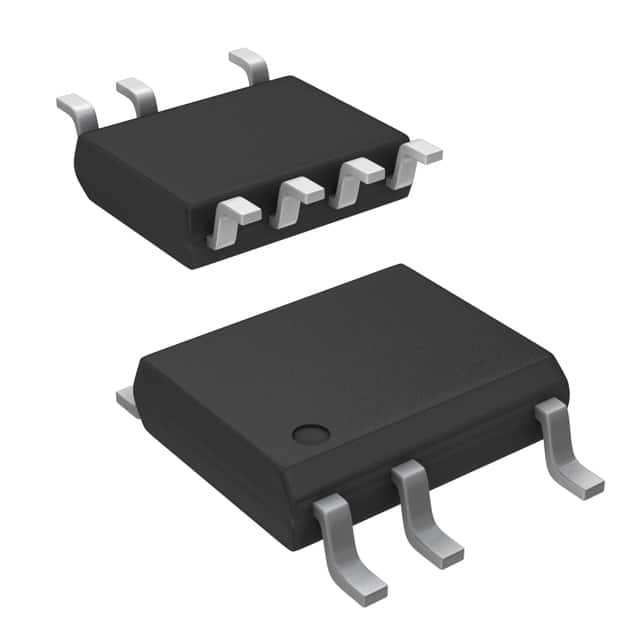
LNK304DN-TL Power Integrations
-
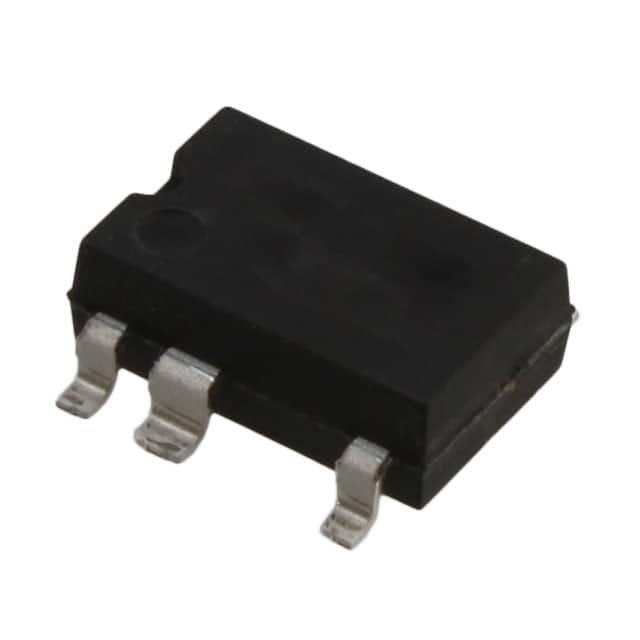
LNK304GN-TL Power Integrations
-
LNK304DG-TL Power Integrations
-
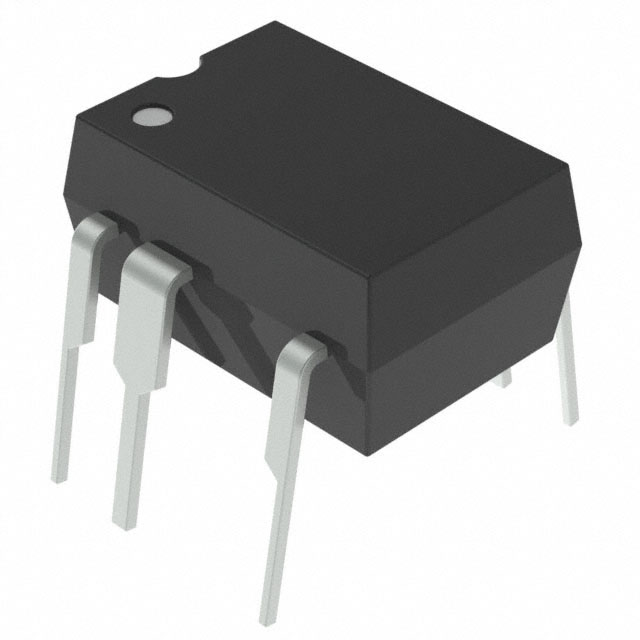
TNY277PN Power Integrations
-
TNY276PN Power Integrations
-
TNY278PN Power Integrations
-
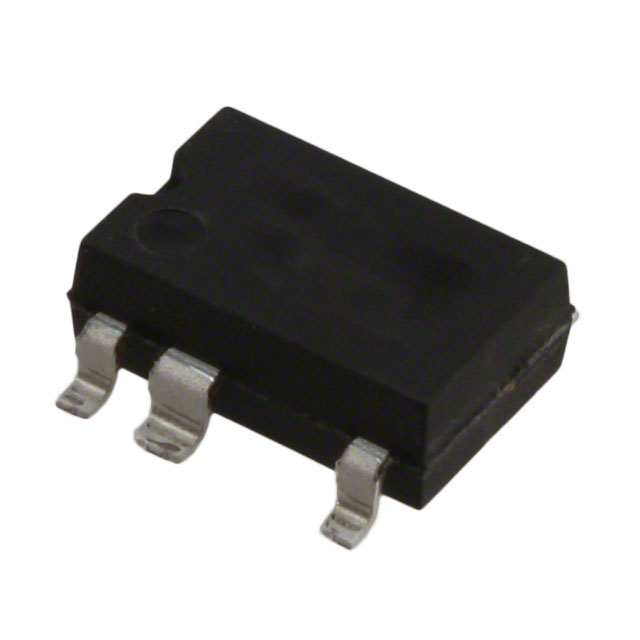
TNY278GN-TL Power Integrations
-
TNY280GN-TL Power Integrations
-
TOP266KG-TL Power Integrations
-
TOP258PN Power Integrations
-
TOP253PN Power Integrations
-
TOP253PNAU Power Integrations

- 1500+ Daily average RFQ Volume

- 20,000.000 Standard Product Unit

- 1800+ Worldwide Manufacturers

- 15,000+ In-stock Warehouse